In the design industry, a common topic of discussion is differentiating between a logo and a brand design. While both play crucial roles in shaping a business’s or ministry’s identity and perception, the process involved in creating each one is very distinct and serves different, though complementary, purposes.
Defining the Two
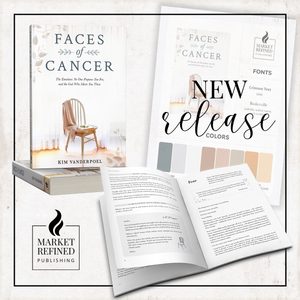
Branding is the process of creating a distinct identity for a business in the minds of the target audience and the general population. A brand design is a strategic blend of visual elements, messaging, and experiences that define a company’s (or ministry’s) identity. Branding provides the roadmap for business decisions, influences customer loyalty and sales or donations, and helps visitors understand what makes this particular business or ministry unique. In short, branding encapsulates every single touchpoint or interaction a client, customer, follower, donor or partner might have with you.
Logo design is the process of creating a visual symbol that represents all of the above. It is a graphic element that is part of the visual identity of a brand, typically combining typography, graphics or symbols, and colors to create an easily recognizable identifier across all of the various points of contact, like websites, social media, printed items, products, packaging, and more.
What Branding Means for You
There are so many products, services, writers, podcasters, speakers, and authors in the marketplace today. Chances are that there’s already someone else out there doing something similar to you and what you offer. If you aren’t creating content with intention and strategy, then you will miss opportunities to connect with your audience, and them with you. When every post, image, and word serves a purpose, that’s when the magic happens. Gone are the days when you could throw together a simple website and expect visitors to flock to it and engage. The look, feel, and content of your online space matter more than ever and will determine if people will stay and for how long.
Branding is essential to creating a clear, unified presence online and in person. A strong brand identity will serve as a beacon, distinguishing you from your competitors or others like you and drawing in those who need your message or services the most. It’s more than a logo; it is the aesthetic thread that ties everything you do together. It is the essence of how your audience will remember you and what you offer. A visual representation that connects you to your people and helps them find you. Understanding what makes you unique and showcasing that will help your brand stand out. Mapping out what sets you apart and what it is that you want to communicate will then inform the logo design, website content and design, and social media or email content as well.
How to Begin Crafting Your Brand
Here are four things to consider as you begin to define and create your brand identity:
1. Taglines and Purpose Statements
Perhaps one of the most important things you can do is clearly articulate who you are and what you do. Think of these as your elevator pitch. These statements not only guide your logo and website design but also serve as an instant introduction to visitors. Taglines and purpose statements summarize your purpose and what you are offering to your audience. Start by clarifying your brand’s mission, values, and target audience and then determine a short tagline and a one-sentence purpose statement.
2. Style
Knowing your personal style can help clarify your brand. It impacts the overall look and feel of your design elements, including your logo. Style also often includes fonts you like, as well as images that complement the feeling you hope to convey. Something as seemingly simple as the typography you select speaks volumes about your brand’s personality. Whether sleek and modern or classic and timeless, your choice of fonts should complement your overall brand aesthetic. Defining your style not only sets the visual tone for your brand but also streamlines the design process as your logo and site design take shape.
3. Color
Colors are more than just pretty; they’re powerful communicators. Colors evoke specific emotions and associations, making them essential tools in brand design. Choose a color palette that aligns with your brand’s identity and resonates with your target audience. You may like an array of colors, but it’s important to to think intentionally about your color scheme. Warm or cold, feminine or masculine, bright or subdued, pastel or sassy colors say more than you may think they do. Also, keep in mind, simply stating a color name is not enough (in design). To differentiate shades, designers use a color’s HEX code, for precision, so be sure to make note of the code for the particular color you choose.
4. Art Elements
Beyond colors and typography, visual elements such as illustrations, photography, art elements, and graphic patterns contribute to your brand’s visual language and convey your purpose. Whether it’s an icon that embodies your mission or a symbol that resonates with your audience, art elements add depth and memorability, but they don’t have to be complicated. Keep these pieces simple yet impactful. Choose something that is meaningful, in a style that matches the brand you want to create, and be consistent across all touchpoints. Consistency in these elements will enhance brand recognition and strengthen your identity.
If these prompts have sparked some ideas for you, we’d love for you to download a free Branding Worksheet with space for you to brainstorm and visualize your brand design.
Final Thoughts
Brand design is a powerful tool for shaping perceptions, fostering connections, and standing out in a competitive marketplace. By investing in thoughtful brand planning and crafting a compelling brand identity, you can captivate your audience, build trust, and propel your reach toward success. Remember, your brand is more than just a logo–it’s the embodiment of your values, personality, and promise to your customers. It can be tempting to skip ahead with designing your logo and website, since that feels like the more immediate need when you are just starting out. But without the work to plan and to establish your brand, the other pieces will feel disjointed and unclear.
Embrace the journey, roadmap your brand, and let your unique identity shine through every touchpoint, leaving a lasting impression on your audience!
Need help getting started? We’d love to chat through a brand strategy and roadmap with you! Let us know!
This post may contain affiliate links. Read our full affiliate disclosure here.